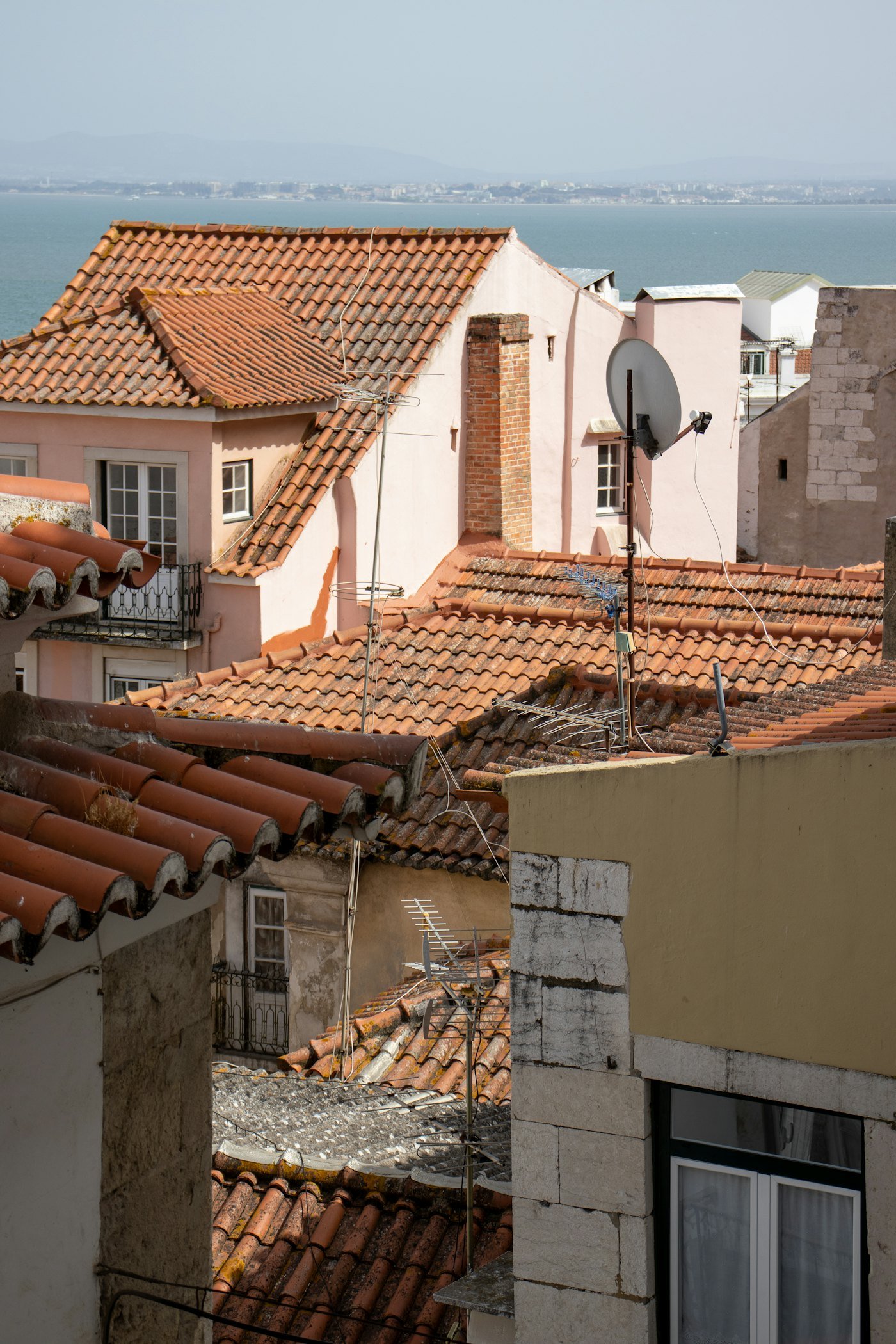
The best area for first-timers in Lisbon is Baixa/Chiado: it sits on flat ground between the hills, it’s walkable to almost everything, and it has the best metro and tram connections in the city. If you want more character and don’t mind steep streets, Alfama and Graça are better picks, while Príncipe Real suits travelers who want a quieter, more upscale base. This guide to where to stay in Lisbon compares eight neighborhoods so you can match the area to your trip.
Quick answer
- First trip: Baixa or Chiado, central and well connected, with fewer hills than anywhere else.
- Old-town atmosphere: Alfama, with its castle, fado houses and steep lanes, but expect stairs and limited car access.
- Quiet and stylish: Príncipe Real, with its boutiques, garden and calm evenings.
- Nightlife: Bairro Alto or Cais do Sodré, though light sleepers should look elsewhere.
- Families and easy transit: Avenida da Liberdade, with wide sidewalks and direct metro from the airport.
Where should first-timers stay in Lisbon?
Stay in Baixa or Chiado on a first visit, because you can walk to Alfama, Bairro Alto and the river in minutes.
Lisbon is a city of seven hills, and the biggest mistake first-timers make is booking a place that looks central on a map but sits at the top of a steep climb. Baixa, the low-lying grid rebuilt after the 1755 earthquake, is the one part of the center that’s mostly flat. Chiado sits just above it, linked by streets, stairs and the Santa Justa lift.
From here you can walk to Praça do Comércio, Rossio and the waterfront, and the Baixa-Chiado metro station gives you the blue and green lines. Most of what’s on our list of the best things to do in Lisbon is within a 15 to 30 minute walk.
Lisbon neighborhoods compared
Each neighborhood trades off convenience, noise and hills differently, so use this table to narrow it down before you look at specific places.
| Area | Best for | Vibe | Downsides |
|---|---|---|---|
| Baixa/Chiado | First-timers, short stays | Central, busy by day, elegant shopping streets | Crowded in peak season; Baixa can feel touristy |
| Alfama | Atmosphere, fado, views | Oldest quarter, village-like lanes | Steep, hard with luggage, few metro stops |
| Bairro Alto | Nightlife | Bars spilling into narrow streets | Loud until late, especially weekends |
| Príncipe Real | Couples, repeat visitors | Leafy, upscale, design shops | Uphill walk back from the center |
| Avenida da Liberdade | Families, comfort, transit | Grand boulevard, larger hotels | Less neighborhood character |
| Cais do Sodré | Nightlife, day trips to Cascais | Riverside, food market, bars | Noisy at night |
| Belém | Monuments, quiet nights | Riverside, spacious, calm | Far from the center |
| Graça | Views, local feel | Residential hilltop, viewpoints | Steep and a bit removed |
The best Lisbon neighborhoods in detail
Baixa and Chiado: the most convenient base
Baixa is Lisbon’s downtown, built on a grid between Rossio and Praça do Comércio, with the pedestrian Rua Augusta running through the middle. Chiado, just uphill to the west, has the old cafés, theaters and bookshops, and feels a little more polished.
Both areas put you close to the Rossio train station for Sintra and within walking distance of the riverfront. The trade-off is crowds: Rua Augusta is packed in summer, and many ground-floor restaurants on the main streets cater to tourists. Look one or two streets off the main drags for quieter options.
One well-known historic option is the Hotel Avenida Palace, a grand old hotel right next to Rossio station on the edge of Baixa.
Alfama: for atmosphere and fado
Alfama is the oldest part of Lisbon, a tangle of lanes and stairways that climbs from the river up toward São Jorge Castle. It survived the 1755 earthquake better than most of the city, so the street plan still feels medieval.
Staying here means waking up near the cathedral, the Santa Luzia and Portas do Sol viewpoints and the fado houses. Tram 28 runs along its upper edge. The downside is practical: taxis can’t reach many streets, there’s little metro coverage, and you will climb a lot. Pack light and check exactly how far your accommodation is from a drivable road.
Bairro Alto: for nightlife
Bairro Alto is quiet in the morning and packed at night, when its narrow streets fill with people drinking outside small bars. It’s next to Chiado, so it’s central.
The problem is noise. If you want to be in the middle of the evening scene, it’s a fun base. If you need sleep, choose Chiado or Príncipe Real and walk over.
Príncipe Real: quiet, stylish and central-ish
Príncipe Real sits above Bairro Alto, around a garden of the same name. It’s known for concept stores, restored mansions and good restaurants, and it’s one of the calmer central areas in the evening.
The Miradouro de São Pedro de Alcântara is a short walk away, and you can ride the Glória funicular down to Restauradores. Getting back up is the main effort, so it suits travelers who don’t mind a climb at the end of the day.
Avenida da Liberdade: comfort and easy transit
Avenida da Liberdade is a wide, tree-lined boulevard running from Restauradores up to Marquês de Pombal, lined with luxury shops and many of the city’s larger hotels. It’s flat along its length and has the Avenida and Restauradores metro stations on the blue line.
From the airport you can take the metro red line and change to the blue line, which makes arrivals simple. It’s a good pick for families or anyone who wants a bigger room and an elevator. It has less street life in the evening than the older neighborhoods.
Cais do Sodré: riverside and lively
Cais do Sodré runs along the river west of Praça do Comércio. It has the Time Out Market (Mercado da Ribeira), the bars of Rua Nova do Carvalho (the “Pink Street”), the ferry terminal for Cacilhas, and the train station for Cascais and Estoril.
It’s practical for beach day trips and close to Chiado, but like Bairro Alto it’s loud on weekend nights. Streets a few blocks up the hill toward Santos and Bica are often quieter.
Belém: monuments and calm evenings
Belém is a riverside district west of the center, home to the Jerónimos Monastery, Belém Tower, the Monument to the Discoveries and the original Pastéis de Belém bakery. It’s spacious, green and much calmer at night than central Lisbon.
The catch is distance. Getting to Baixa takes roughly 20 to 30 minutes by tram 15 or by train from Cais do Sodré. It suits slower trips, repeat visitors, or anyone who prefers quiet over nightlife.
Graça: views and a local feel
Graça sits on a hilltop above Alfama and is mostly residential. It has two of the city’s best viewpoints, the Miradouro da Senhora do Monte and the Miradouro da Graça, and Tram 28 runs through it.
It feels more lived-in than Alfama and has fewer tour groups. You’ll rely on trams, taxis or your legs, since the metro doesn’t reach the hilltop.
Who each area suits, and who should skip it
Good fits
- Baixa/Chiado: first-timers, short city breaks, travelers using Sintra trains from Rossio.
- Alfama and Graça: travelers who want atmosphere and views and pack light.
- Príncipe Real: couples and repeat visitors who want quiet evenings near the center.
- Avenida da Liberdade: families, travelers with mobility concerns, anyone who wants easy airport access.
- Cais do Sodré and Bairro Alto: groups and night owls.
Who should skip
- Light sleepers: skip Bairro Alto and the heart of Cais do Sodré.
- Travelers with heavy bags or limited mobility: skip upper Alfama and Graça.
- Short trips of two nights or less: skip Belém, since you’ll lose time commuting.
Practical tips before you book
Lisbon’s hills are the main thing to plan around, more than distance on a map.
- Check the slope: look at the street in map street view before booking. “Five minutes from Chiado” can mean five minutes of stairs.
- Ask about elevators: many older buildings in Baixa, Alfama and Bairro Alto don’t have one.
- Consider noise: in nightlife areas, ask for a room away from the street.
- Book early for summer: June, especially around the Santo António festivities in mid-June, and July and August fill up quickly.
- Look at transit lines: a short walk to a metro station makes the airport and day trips much easier.
If you’re visiting Lisbon as part of a longer trip, our Portugal itinerary shows how to split nights between Lisbon and Porto. For a second base in the north, read where to stay in Porto. If Lisbon is one stop on a wider Europe trip, the same approach of picking a central, walkable base applies in our guides on where to stay in Barcelona and where to stay in Paris. You can also find more on the Lisbon destination page and the wider Portugal guide.
Many visitors also stay a night in Sintra, but a day trip from Rossio station works well for most people. The official Lisbon tourism site, Visit Lisboa, lists current events and transport passes.
FAQ
What is the best area to stay in Lisbon for first-time visitors?
Baixa or Chiado. They’re central, mostly flat by Lisbon standards, and close to the metro, Rossio station and the riverfront.
Is Alfama a good place to stay in Lisbon?
Yes, if you want atmosphere and don’t mind hills. It’s beautiful and close to the castle and fado houses, but it’s steep, hard to reach by car, and has limited metro access.
Is Bairro Alto too noisy to stay in?
For most light sleepers, yes. The bars stay busy late, especially on weekends, so consider staying in nearby Chiado or Príncipe Real instead.
How many nights do you need in Lisbon?
Three nights covers the main neighborhoods and Belém. Four gives you time for a Sintra day trip without rushing.
Should I stay in Lisbon or Cascais?
Stay in Lisbon for a city-focused trip. Cascais is a good choice if you want a beach base, since the train to Cais do Sodré takes about 40 minutes.